

Doppelgänger (German for the double), 2025, is a work for solo euphonium, ensemble, and electronics, dedicated to euphonium player Devid Ceste. – Premiere: Festival Classiche Armonie – 13 September 2025 – Carrù (CN)
The piece is situated within a compositional tradition that explores the theme of doubling, drawing inspiration from works such as Répons by Pierre Boulez, Musica su due dimensioni by Bruno Maderna, and Violin Phase by Steve Reich. However, Doppelgänger further expands this concept by proposing a dialogue among three elements: the soloist, the ensemble, and an electronic “Alter ego”.
Compositional and Structural Concepts
The Theme of the Double and the Triple Dialogue
- Unlike the works mentioned above, which are often based on a dualism (for example, sound/noise in Maderna, or soloist/ensemble in Boulez), Doppelgänger introduces a third element: the Alter ego. This generates a complex interaction and a three-way dialogue among soloist, ensemble, and alter ego, enriching the musical discourse. The title itself suggests this relationship of duplication and reflection, exploring multiple facets of sonic identity.
Instrumentation and Spatial Layout
- The ensemble consists of flute, oboe, bass clarinet, bassoon, horn in F, trumpet, bass trombone, 3 first violins, 3 second violins, 2 violas, 2 cellos, 1 double bass, and a conductor. A percussionist also plays a crucial role by managing the performance of the “double”.
- The spatial arrangement of the instruments is conceived to embrace and surround the space of the soloist and its double, dividing the ensemble into strategically positioned instrumental groups (rear center, rear left, rear right, front left, front right). At the center of this configuration are the solo euphonium and the sousaphone (the double).
The Alter Ego: the Electronic Metainstrument
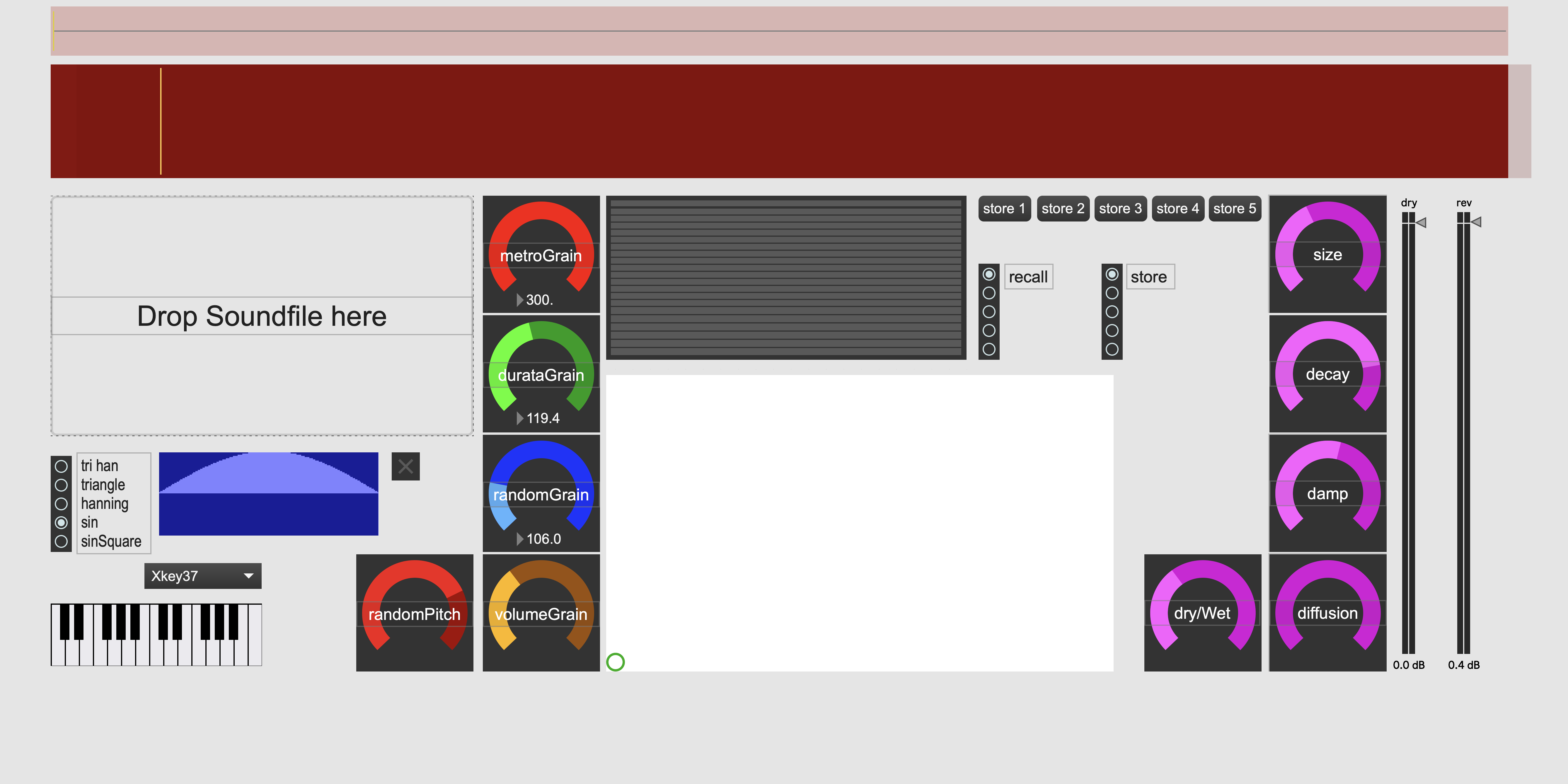
- The double of the soloist is not another performer, but an electroacoustic “metainstrument”. This system is composed of four fundamental elements interacting in real time:
- A sound capture system for the solo euphonium
- A computer that processes the recorded sonic material
- An acoustic transduction system (amplifier plus transducer)
- An unplayed sousaphone, on which the transducer is mounted
- The metainstrument captures, processes, and filters the sounds of the soloist, returning them as an integral part of the dialogue. Its sonic palette may also include previously recorded material or synthesized sounds.
Instrumentation
flute
oboe
bass clarinet
bassoon
horn in F
trumpet
bass trombone
1 percussionist (also controlling the Doppelgänger performance)
3 first violins
3 second violins
2 violas
2 cellos
1 double bass
solo euphonium